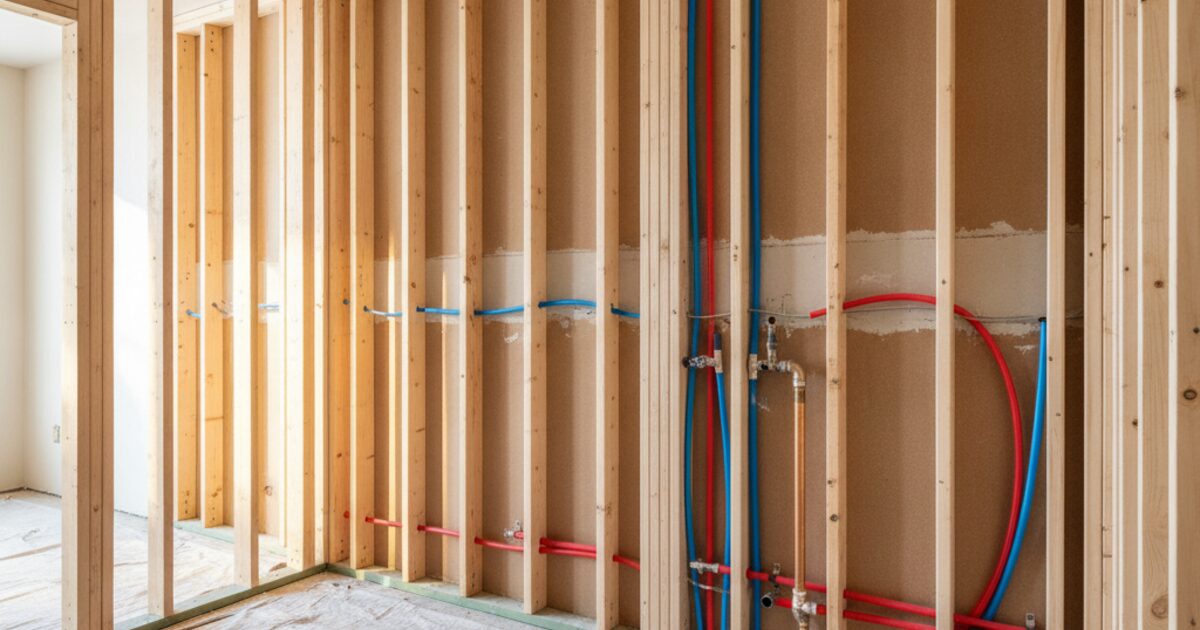

Replace galvanized supply pipe once it starts showing symptoms: fading pressure, brown water or leaks in more than one place, because the rust causing them is inside every length of the pipe, not just at the leak. If your home was built before about 1970 and still has its original galvanized plumbing, plan the replacement on your terms rather than waiting for a leak to plan it for you.
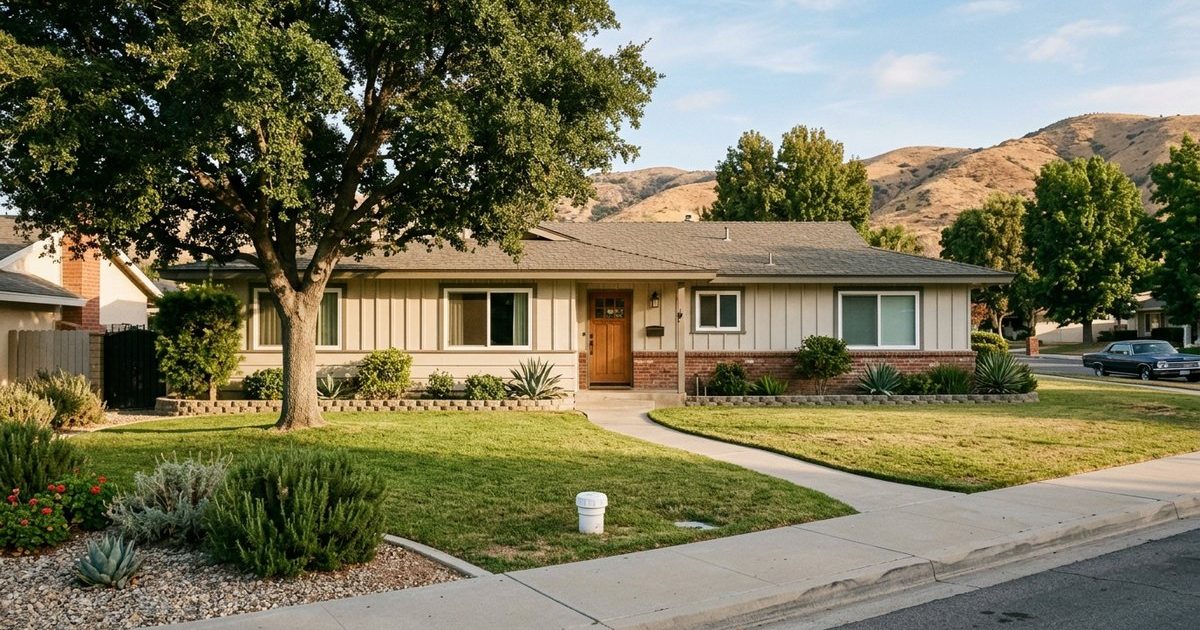
Most homes in the newer parts of the valley were never plumbed in galvanized steel. It is the older streets of Newhall, parts of Saugus and Canyon Country, and the older San Fernando Valley tracts where it still turns up.
What galvanized pipe is, and why it fails
Galvanized pipe is steel coated in zinc to slow rusting. It was a standard supply pipe for decades, then fell out of use. The East Bay Municipal Utility District, which still removes old galvanized lines from its own system, explains that the zinc coating corrodes first and the iron begins to corrode once it is gone. Iron does not corrode evenly: mounds called tubercles form inside the pipe and block water flow, and old corroded galvanized pipe can cause low water pressure and discoloured water (EBMUD, Galvanized iron pipes).
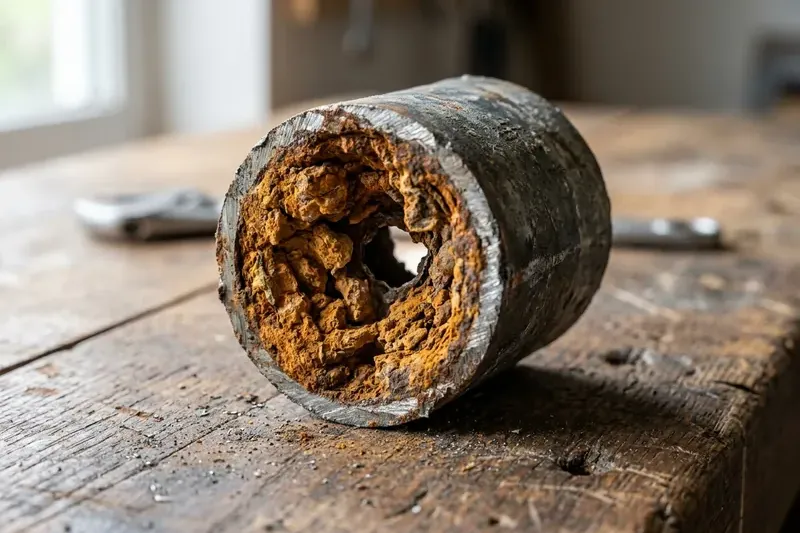
That is the important part for a homeowner. The pipe is narrowing from the inside along its whole length, so fixing the one section that leaked does not change the condition of the rest.
How to tell if your home has it
You can usually check in a few minutes:
- Look where the pipe enters the house, at the water heater, or under a sink where the supply comes out of the wall.
- Galvanized pipe is dull grey with threaded joints, often with rust staining at the fittings. Copper is reddish-brown or green with age. PEX is flexible plastic, usually red, blue or white.
- Scratch it with a key or a coin. Galvanized shows silver-grey metal. Copper shows a bright penny colour.
- Try a magnet. A strong magnet sticks to galvanized steel. It will not stick to copper or plastic.
Many older homes are a mix. A previous owner may have replaced the visible pipe under the sinks in copper while the runs inside the walls are still galvanized, so one copper connection does not prove the house is clear.
Signs it is failing
- Pressure has faded over the years, or drops sharply when a second tap or the washing machine is running
- Brown or rust-tinted water, often worst first thing in the morning or after a few days away
- Leaks in different places, rather than one fault that was fixed and stayed fixed
- Rust staining or weeping at threaded joints where pipe is visible
- Hot water that runs weak while the cold seems fine, or the other way round
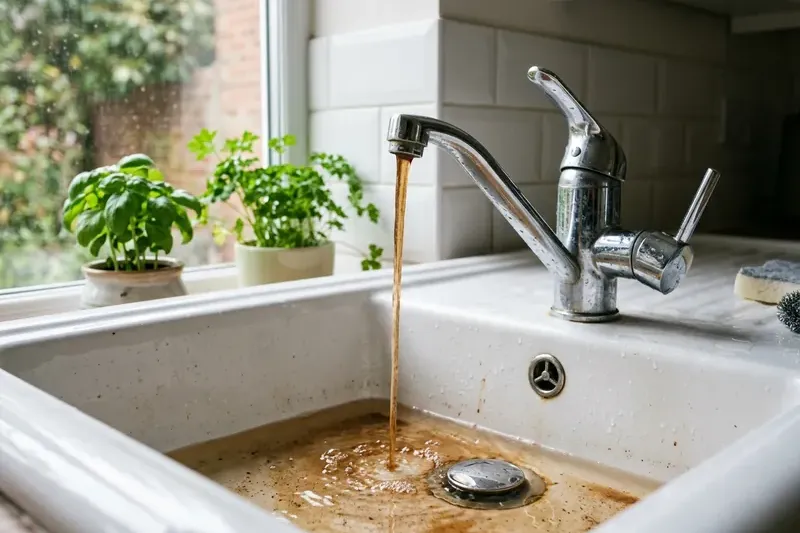
One of these on its own is worth a look. Two or more in a house with galvanized pipe is the pipe reaching the end of its working life.
Patch, partial repipe or whole house?
A spot repair makes sense for a single leak in an otherwise sound copper or PEX system. With galvanized, it buys time but not much else, because the next weak point is somewhere along the same corroded pipe.
A partial repipe replaces one failing run, one bathroom or the main supply line. It suits a home where most of the plumbing has already been replaced and only a section of galvanized is left, and it usually takes a day or two.
A whole-house repipe replaces every supply line at once. For a home still on its original galvanized plumbing, this is usually the better value: one job, one permit, one round of wall patching, instead of a series of repairs that add up to more. A single-storey home typically takes three to five days including patching, and you can normally stay in the house throughout. Our guide to PEX or copper for a repipe covers the choice of pipe.
What replacing it involves
- We map what is there first, so the quote reflects the actual pipe and how it runs.
- The work goes room by room, with water kept on where possible.
- A permit is required. The issuing office depends on whether you are in the City of Santa Clarita, an unincorporated county area or the City of Los Angeles. We file it and meet the inspector.
- Wall and ceiling openings are patched once the new pipe is in and pressure tested.
You get a written quote after we have walked the house, never a price over the phone.
Get your pipes checked
BluePoint Plumbing replaces galvanized plumbing in homes across the Santa Clarita Valley and the northern San Fernando Valley, in copper or PEX, priced both ways if you want to compare. See our repiping service in Santa Clarita, or contact us and tell us what your water is doing.