

Repair the toilet when the fault is a part inside the tank or the seal underneath it, which covers most running, leaking and weak-flushing toilets. Replace it when the bowl or tank is cracked, when it clogs again and again, or when it is an older high-flow model that keeps needing parts and wastes water on every flush.
A toilet is a simple machine. Almost everything that goes wrong with one is a small, cheap part, and a plumber can usually tell which one in a few minutes. The useful question is not "can it be fixed" but "is fixing it still worth it".
Faults that are almost always a repair
- It runs constantly or refills on its own. The flapper at the bottom of the tank is not sealing, or the fill valve is not shutting off. Both are inexpensive parts.
- The handle is loose or you have to hold it down. A worn handle, a slack chain or a flapper that closes too soon.
- It is slow to fill. Usually a fill valve that is worn or partly blocked with scale, which is common with valley water.
- It rocks on the floor. Loose closet bolts, or a flange that needs attention. Fix it early, because a rocking toilet breaks its seal.
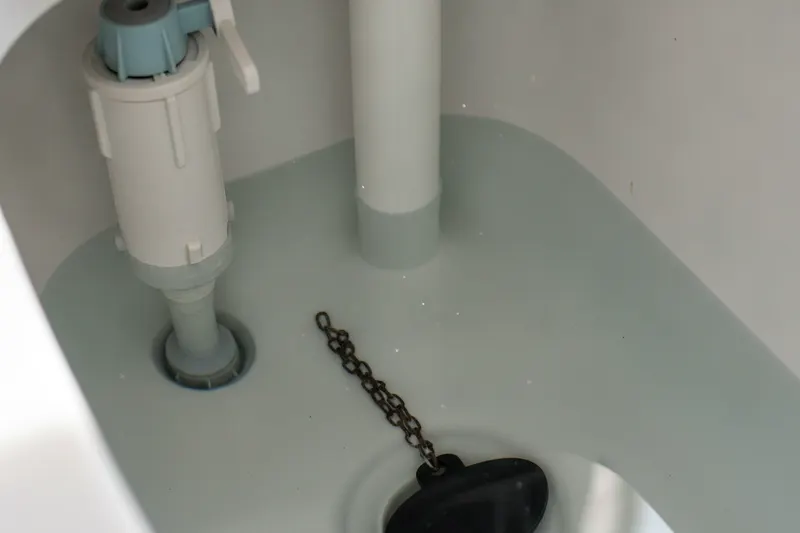
A running toilet is worth fixing straight away even though it is quiet. It wastes water around the clock, and it shows up on the bill before most people notice the sound.
Leaks: where the water is coming from matters
Water on the floor around a toilet has three common sources, and only one of them is serious:
- The supply line or shut-off valve behind the toilet. A small, quick repair.
- Between the tank and the bowl. Worn tank bolts or gasket. Also a repair.
- The wax seal under the toilet. Water seeping out from the base, often with a smell or a stain in the grout, means the seal has failed. The toilet has to come up to replace it, and the floor underneath needs checking.
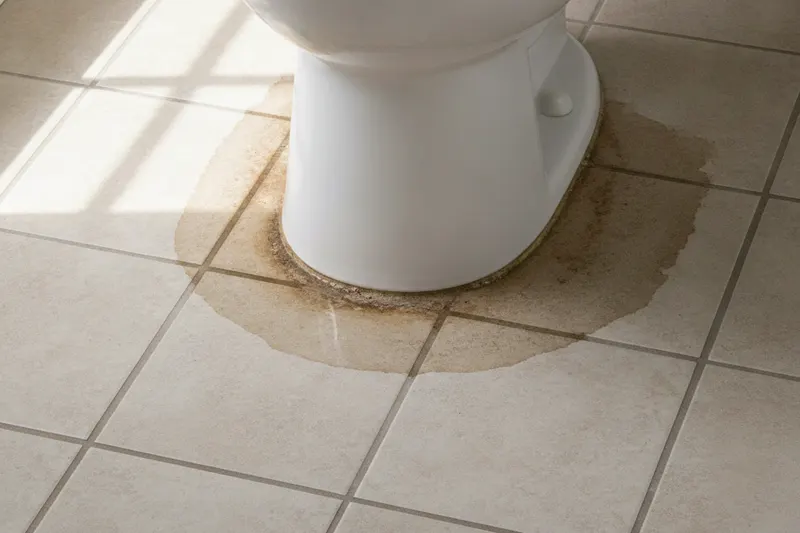
A leak from the base is the one not to leave. Water soaking into the subfloor does far more damage than the seal replacement would ever cost.
When replacement makes more sense
Replacing the toilet is usually the better call when:
- The bowl or tank is cracked. Even a hairline crack in the porcelain can't be repaired reliably. It will leak, and it can split.
- It clogs over and over. Some older low-flow designs from the 1990s never flushed well. If the drain line is clear and it still clogs, the toilet is the problem. If more than one fixture backs up, though, the drain is the problem, and a new toilet will not fix it. Our guide to why a drain keeps clogging explains how to tell.
- It keeps needing parts. A toilet on its third fill valve and second flapper in a few years is telling you something.
- It is an older high-flow model. That is where the water savings come in.
How much water an old toilet wastes
According to the U.S. Environmental Protection Agency, older, inefficient toilets can use as much as 6 gallons per flush, and toilets account for nearly 30 percent of an average home's indoor water use. Toilets that meet the EPA's WaterSense standard use 1.28 gallons per flush or less, 20 percent less than the current federal standard of 1.6 gallons (EPA WaterSense, Residential Toilets).
In a dry climate like the Santa Clarita Valley, where water bills and conservation both matter, that is a real reason to replace an old toilet in an older Newhall or Canyon Country home rather than keep rebuilding it.
What to ask before you pay for either
- What exactly has failed? A good answer names the part: flapper, fill valve, wax seal, supply line, or a crack.
- What does the repair cost against a replacement? You should get a written price for the option you choose before any work starts.
- Is the floor sound? If the toilet is coming up anyway, ask what the flange and subfloor look like.
- Does the new toilet fit? Most toilets need a 12-inch rough-in, but older homes sometimes have 10 or 14 inches, which limits the choice.
Get it fixed properly
BluePoint Plumbing repairs and replaces toilets across the Santa Clarita Valley, and we give you a written price before any work starts. We also answer the phone 24/7 when a toilet is overflowing or leaking through a ceiling. See our plumbing repair service in Santa Clarita, or get in touch and tell us what your toilet is doing.