
Snaking is the right first step for a one-off clog in a single drain, because a cable breaks through the blockage quickly and cheaply. Hydro jetting is the better choice when a line keeps blocking from grease, scale or roots, because high-pressure water scours the whole pipe wall clean instead of leaving the buildup behind.
The difference matters most for the drains that keep coming back. Here is how each method works, and how to tell which one you need.
How snaking works
A drain snake, or cable machine, feeds a rotating steel cable into the pipe through a drain or cleanout. A cutting head on the end bores through whatever is blocking the line: hair, wipes, a food clog, a toy.
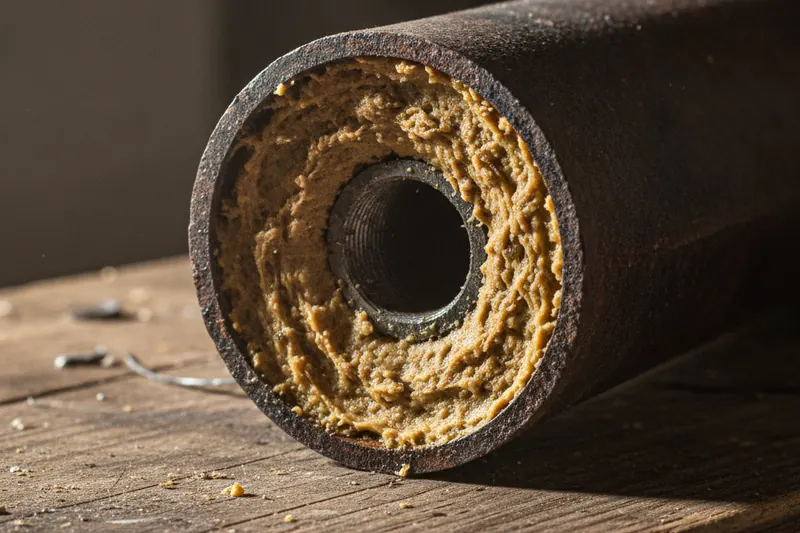
It is fast, it works through most household fixtures, and it is the least expensive way to get water moving again. The limit is in what it leaves. The cable opens a hole roughly its own size through the blockage. Grease and scale still coat the pipe wall around that hole, so the line narrows again over the following weeks or months.
How hydro jetting works
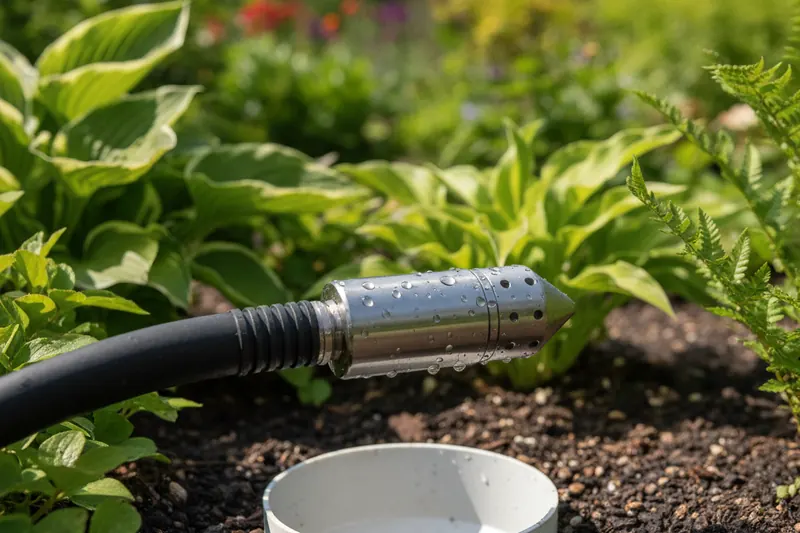
A hydro jetter pushes water at high pressure through a hose with a specially designed nozzle on the end. Rear-facing jets pull the hose up the line and blast the pipe wall as it travels. On the way back, the water flushes everything it loosened down to the sewer.
Because it cleans the full diameter of the pipe, jetting removes the layer of grease and scale that a cable leaves behind. It also cuts through root growth that has pushed in at joints. The trade-off is cost and setup. Jetting usually costs more than a snake visit, and it is not needed every time.
Grease is the usual reason a drain keeps blocking
Fat, oil and grease go down the sink warm and liquid, then cool and set on the inside of the pipe. The US Environmental Protection Agency, summarising its report to Congress on sewer overflows, found that grease is the most common cause of reported sewer blockages, at 47 percent (EPA fact sheet, 2012). The same thing happens in miniature in a home kitchen line, and a snake only opens a channel through it.
Which one your drain needs
| Situation | Usually the right first step |
|---|---|
| One fixture blocked for the first time | Snaking |
| Hair clog in a shower or bathroom sink | Snaking |
| Kitchen line that blocks every few months | Hydro jetting |
| Main line backing up after it was snaked recently | Camera first, then jetting or repair |
| Roots found in the line | Jetting to clear, then a repair decision |
| Restaurant or commercial kitchen line | Hydro jetting on a regular schedule |
Older homes in the valley, around Old Town Newhall and the streets near Sierra Highway, can still have cast iron drains or clay sewer laterals. Cast iron scales and roughens inside with age, which gives grease more to grip.
When neither is the answer
Neither method repairs a pipe. If a line has cracked, separated at a joint or sagged, clearing it only buys time. The blockage rebuilds because the fault is still there.
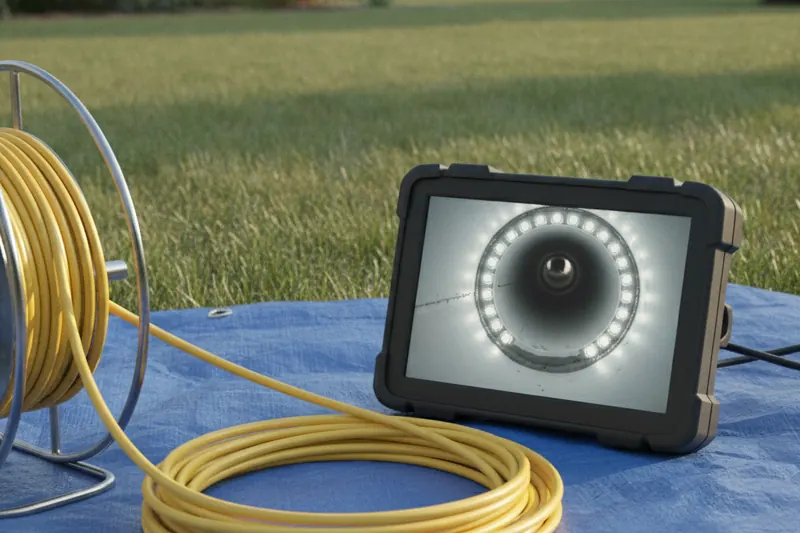
That is why we put a camera down any line that keeps blocking before we recommend jetting. The footage shows whether the pipe is sound and just dirty, or damaged. Jetting a badly cracked or broken pipe is not a fix. If the camera finds damage, our sewer line repair cost guide explains what drives the price. Our earlier guide on why a drain keeps clogging covers the common causes in more detail.
Getting it cleared
BluePoint Plumbing clears blocked and slow drains across the Santa Clarita Valley with cable machines, hydro jetting and camera inspection, and we tell you which one the line needs before we start. See our drain cleaning service in Santa Clarita, or get in touch if a drain has started backing up again.